


10 Profitable App Ideas Based on Mobile Market Data (2026)
Finding a profitable app idea is often harder than building the app itself. Many developers can create functional products, but choosing a market with real demand and monetization potential is the key challenge.
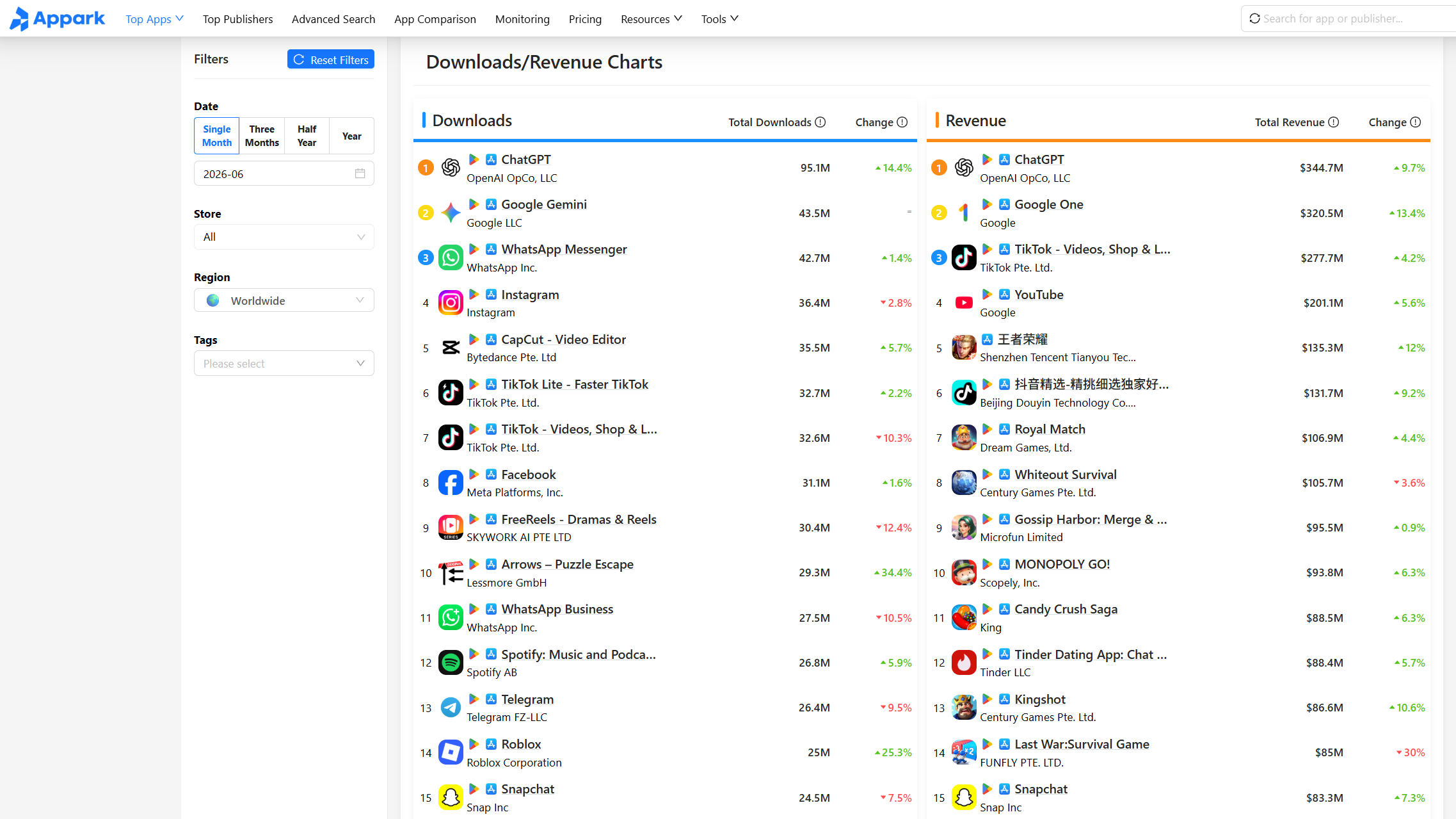
Instead of relying only on assumptions, developers can study existing apps that are already gaining users and generating revenue. Download rankings, estimated revenue performance, and competitor trends can provide useful signals before investing time and resources into development.
Based on June 2026 mobile app market data, several categories showed strong commercial potential, including AI assistants, creator tools, health apps, and education products. In this article, we analyze 10 mobile app categories with strong market signals and explain why they may offer opportunities for indie developers.
These categories do not guarantee success, but they reveal where users are already spending time and money. By studying successful apps and identifying smaller opportunities, indie developers can make more informed product decisions.
How to Validate Profitable App Ideas Before Development
A profitable app idea does not always need to be completely new. Many successful mobile apps enter existing markets by improving existing solutions, targeting a specific audience, or solving a more focused problem.
Before building an app, developers should evaluate several important factors:
Market demand Are users actively downloading similar apps? Is the category still growing?
Revenue potential Are existing apps generating meaningful revenue? Are users willing to pay for similar solutions?
Competition Is the market controlled by a few large companies, or are smaller publishers also finding opportunities?
User problems What limitations do current products have? Are there specific needs that are not being solved well?
Differentiation Why would users choose a new app instead of existing alternatives?
Market research cannot predict success with certainty, but it can help developers avoid building products without demand.
A detailed mobile app competitive analysis can help developers understand competitors, identify market gaps, and discover potential opportunities before development.
For example, the AI assistant market already has large companies competing in general-purpose chatbots. However, smaller teams may still find opportunities by focusing on specific workflows, such as AI writing assistants, research tools, education assistants, or industry-specific solutions.
The goal is not to copy successful apps. It is to understand why users choose them and identify areas where a new product can provide additional value.
10 Mobile App Categories With Strong Market Potential
The following examples are based on June 2026 mobile app market data, including revenue rankings, download trends, and category performance from the App Store and Google Play.
These insights highlight categories where existing apps have shown strong user demand and monetization potential. They are intended to help identify market opportunities rather than predict future success.
1. AI Personal Assistant Apps
AI assistant apps are currently one of the strongest mobile app categories.
The rapid adoption of generative AI has changed how users work, learn, and search for information. Mobile users are increasingly willing to pay for AI tools that can improve efficiency and complete tasks faster.
According to Appark's June 2026 estimated revenue rankings, several AI assistant apps showed strong monetization performance:
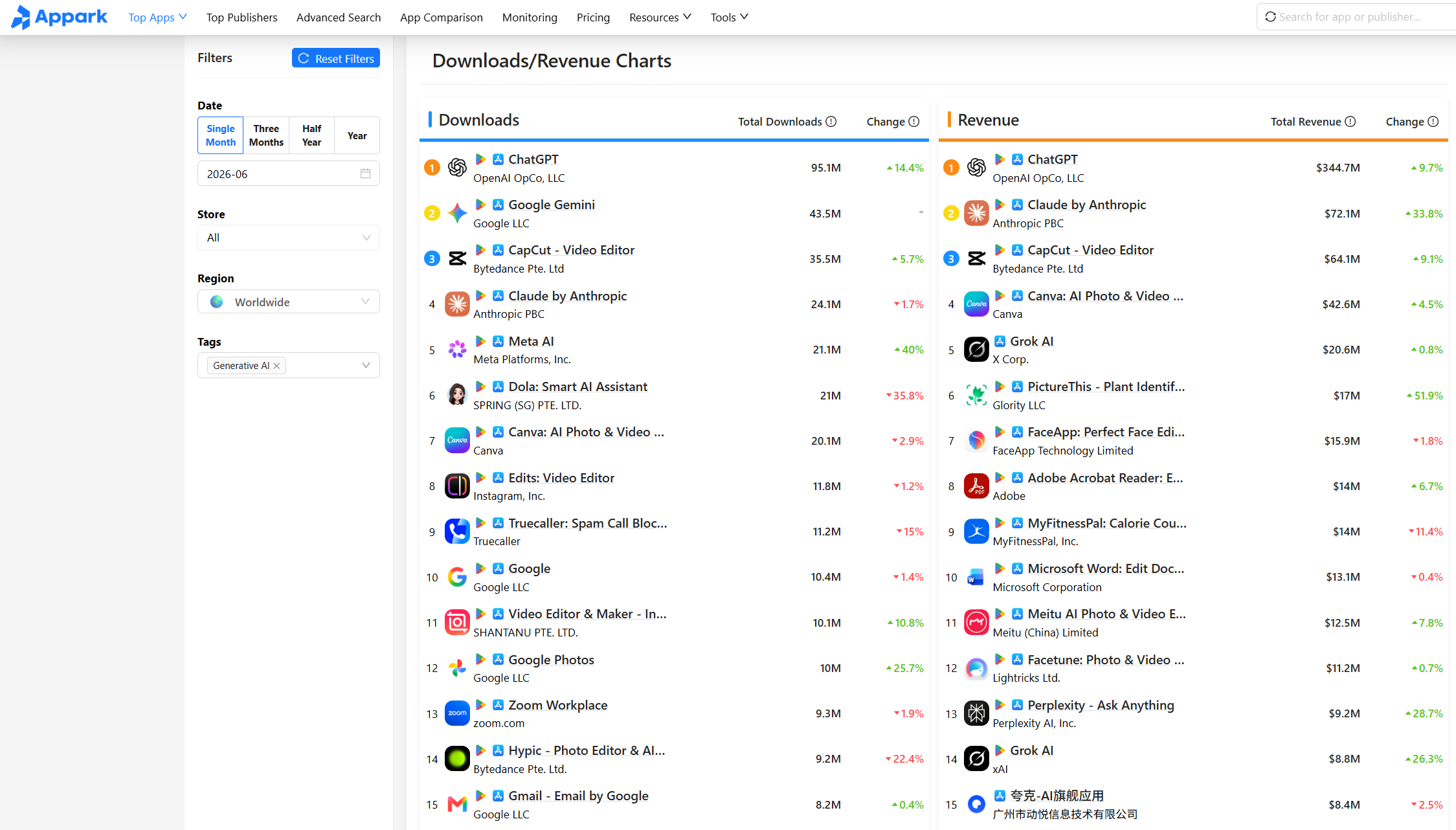
These examples show that users are already spending money on AI-powered mobile products.
However, competing directly with general AI assistants is difficult for independent developers. Large companies already have strong brands, technical capabilities, and distribution advantages.
For smaller teams, a more realistic opportunity is building specialized AI applications for specific user groups or workflows.
Potential directions include:
- AI writing assistants for specific industries
- AI research and document analysis tools
- AI meeting summary applications
- AI study assistants
- AI workflow automation tools
The key opportunity is not simply adding AI features. A successful product usually focuses on a clear problem and provides a better solution for a specific group of users.
2. AI Video and Creator Tool Apps
The growth of AI-generated content has created new opportunities for mobile app developers.
Instead of building general-purpose AI platforms, many successful products focus on specific creator workflows, such as AI image generation, video editing, and content production.
Based on June 2026 category trends, several AI video and creator apps achieved strong estimated revenue performance:
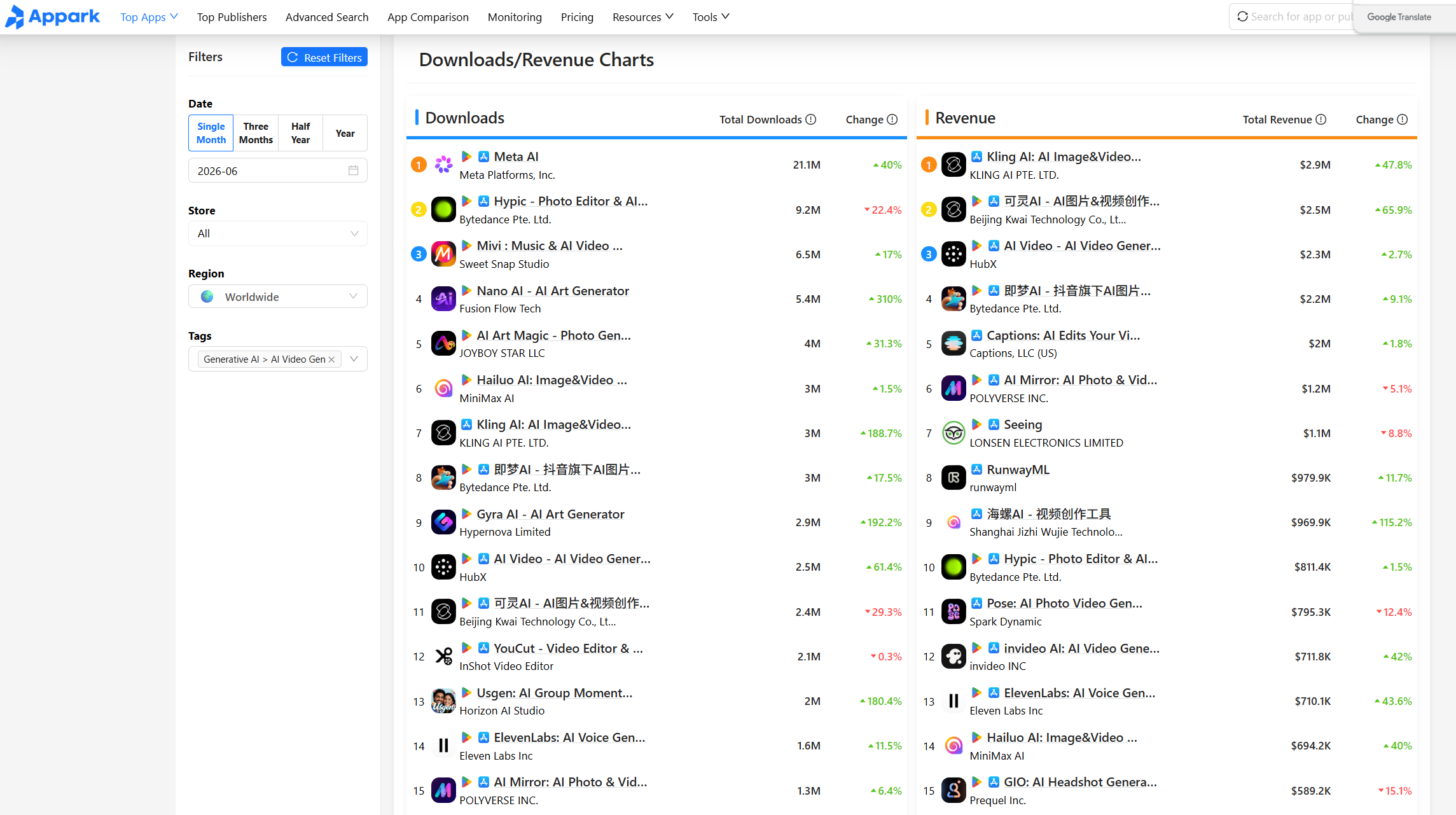
These examples show that users are willing to pay for tools that reduce the difficulty of content creation.
For independent developers, the opportunity is usually not competing with large AI video platforms. Instead, smaller teams can focus on specific creator needs, such as:
- AI subtitle generation
- Short video optimization
- Social media content templates
- AI thumbnail creation
- Video repurposing tools
Many creators do not need a complete professional editing platform. They may only need a simple tool that solves one repeated problem in their workflow.
This creates opportunities for smaller apps that provide focused solutions.
3. AI Photo Editing and Image Generation Apps
AI image tools are another category where mobile users have shown strong interest and willingness to pay.
Compared with traditional photo editing apps, AI-powered image applications make it easier for users to create avatars, enhance photos, generate artwork, and transform existing images without advanced design skills.
According to recent mobile market trends, AI photo and image generation apps continue to show strong market demand.
These products highlight an important trend: users are often willing to pay for better creative results rather than simply more editing features.
Many successful AI image apps focus on specific use cases instead of trying to become a complete design platform.
Potential opportunities include:
- AI professional profile photo generators
- AI avatar creation tools
- Marketing image generation apps
- Niche design assistants
- Personalized photo enhancement tools
For smaller developers, a focused product direction may be more practical than building a general AI image generator.
For example, an app designed specifically for job seekers who need professional profile photos may have a clearer value proposition than a general-purpose image generation tool.
The key is identifying a specific user group with a clear problem and creating a simple solution around that workflow.

4. Health and Fitness Apps
Health and fitness apps remain one of the more stable mobile app categories because users have continuous needs around exercise, nutrition, and personal health management.
Unlike many trend-driven categories, fitness apps often benefit from subscription models because users are willing to pay for long-term guidance, personalized plans, and progress tracking.
According to recent mobile market trends, health and fitness apps continue to show strong market demand, especially in areas such as running, strength training, outdoor activities, and health tracking.
These products show that successful fitness apps often focus on specific activities instead of trying to serve every type of user.
For indie developers, potential directions include:
- AI fitness coaching
- Running training plans
- Nutrition tracking
- Home workout programs
- Health habit tracking
A smaller team may have a better chance by targeting a specific audience, such as beginner runners, office workers, or users with a specific fitness goal.
The lesson from successful fitness apps is that retention is critical. Products that encourage users to return regularly often have stronger subscription potential.
A simple app that helps users build a daily habit can sometimes create more long-term value than a complex product with too many features.
5. Language Learning and Education Apps
Education apps continue to be a strong mobile category because users are willing to invest in long-term learning goals.
Among different education segments, language learning has become one of the most competitive and profitable areas. The growth of AI has also created new opportunities by making personalized learning experiences more accessible.
According to recent mobile market trends, language learning apps continue to show strong market demand, especially products that combine traditional learning methods with AI-powered personalization.
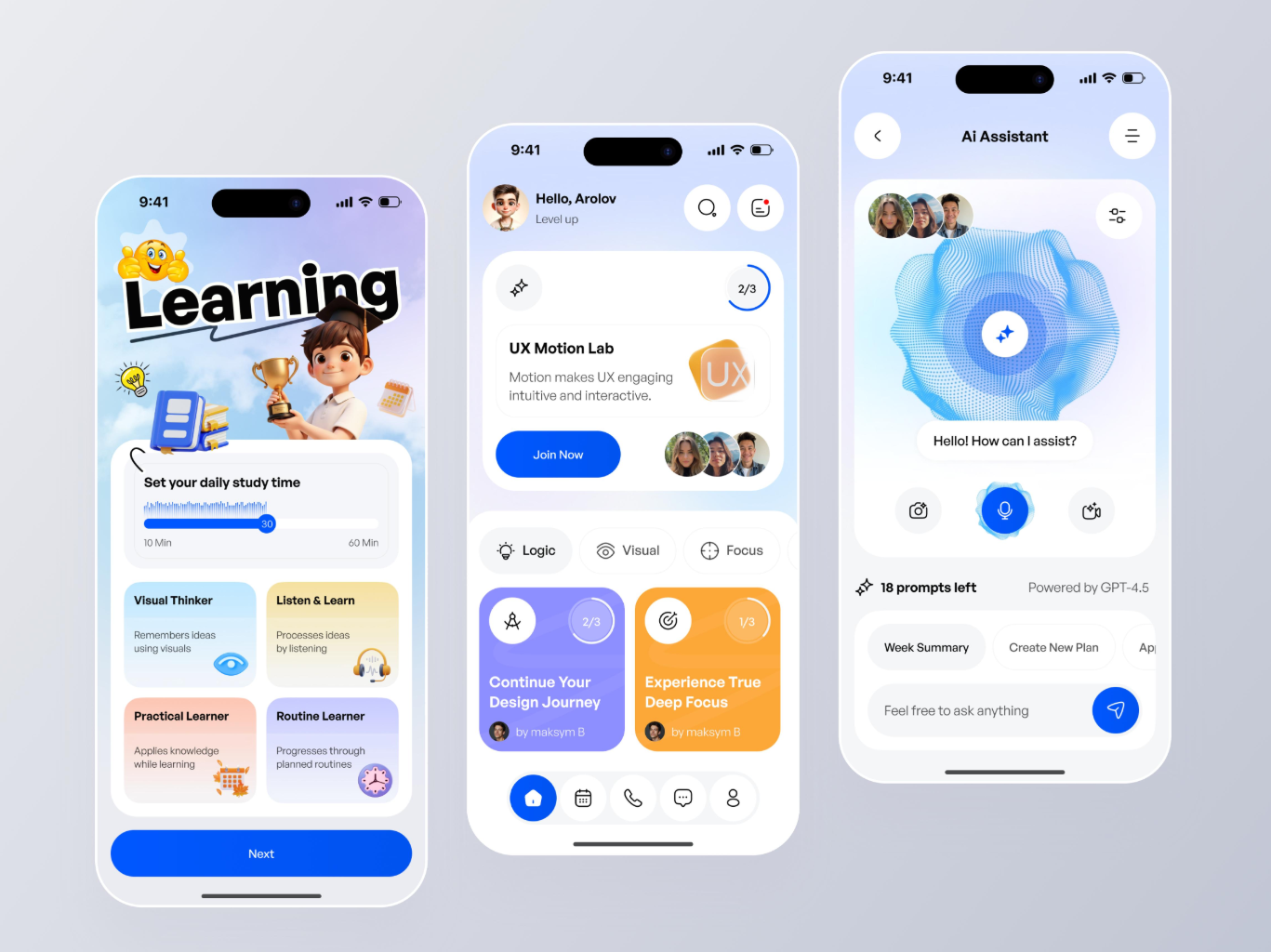
The growth of AI learning assistants shows that users are looking for more flexible and personalized ways to improve their skills.
For indie developers, competing directly with established platforms like Duolingo is difficult. However, smaller opportunities exist in more focused learning scenarios:
- AI pronunciation practice
- Business language training
- Travel language assistants
- Professional vocabulary learning
- Personalized study plans
A smaller education app does not necessarily need millions of users to succeed. A clearly defined audience with a strong learning need can create a sustainable product opportunity.
For example, a language learning app designed for healthcare workers, travelers, or business professionals may provide more focused value than a general language platform.
The key opportunity is not creating another general learning platform, but solving a specific learning problem for a clearly defined group of users.
6. Consumer Utility Apps
Utility apps may receive less attention than AI or social products, but they often have strong monetization potential because they solve everyday problems.
Unlike trend-driven apps, utility products benefit from stable user demand. Users are willing to pay for tools that save storage space, manage personal data, or simplify common tasks.
Based on June 2026 mobile app market data, utility apps continue to show strong demand in areas such as storage management, file processing, and mobile optimization.
For indie developers, the opportunity is usually not building a complete platform. Instead, smaller teams can focus on solving one specific problem users frequently encounter.
Potential directions include:
- File compression and conversion tools
- Photo cleanup and storage optimization apps
- PDF and document utilities
- Password and security tools
- Mobile device management assistants
A successful utility app does not need dozens of features. A simple product that solves a frequent pain point can still create strong user value.
For example, users may not need another complete file management platform, but they may need a lightweight tool that helps compress files, clean storage, or process documents faster.
The key is identifying repetitive problems and creating a simple, reliable solution.
7. AI Research & Productivity Apps
AI research and productivity tools are creating new opportunities as users look for faster ways to process information and improve daily workflows.
Unlike general AI assistants, these products focus on specific tasks such as document analysis, knowledge organization, research support, and professional workflows.
Based on June 2026 mobile app market data, AI research and productivity apps have shown growing user demand and monetization potential.
For indie developers, competing with large AI platforms is difficult. However, specialized tools designed for specific audiences can still create opportunities.
Potential directions include:
- AI paper reading assistants
- Document analysis tools
- Knowledge management apps
- Research workflow assistants
- Industry-specific AI tools
The opportunity is not building another general chatbot, but creating a focused AI solution that helps users complete specific tasks more efficiently.
For example, an AI productivity tool designed for researchers, students, or professionals may provide clearer value by solving problems in their daily workflows.
8. Social & Community Apps
Social and community apps continue to attract users because people are constantly looking for ways to connect, share interests, and build online communities.
While large social platforms dominate mainstream markets, smaller developers can still find opportunities by focusing on specific audiences, interests, or community experiences.
Based on June 2026 mobile app market data, community-focused apps continue to show strong engagement potential across different user groups.
Potential directions include:
- Interest-based communities
- Creator communities
- Local social apps
- Professional networking tools
- Hobby-focused platforms
For indie developers, competing with major social networks is challenging. However, niche communities with strong user identity and engagement can create valuable opportunities.
The key is not building another general social platform, but creating a focused community where users have a clear reason to participate and return regularly.
9. Creator Workflow and Content Production Apps
The creator economy continues to drive demand for tools that help users produce, optimize, and distribute digital content.
While AI has accelerated innovation in this space, many creators still need practical tools that improve daily production workflows.
Based on June 2026 mobile app market data, creator-focused apps continue to perform well across video editing, design, and content optimization.
For indie developers, competing with large editing platforms is difficult. Smaller teams can focus on specific creator workflows.
Potential directions include:
- Social media content planning tools
- Short video optimization apps
- Thumbnail design tools
- Content repurposing assistants
- Creator analytics tools
A focused creator tool can succeed by solving one repeated problem instead of replacing an entire editing ecosystem.
For example, a tool that helps creators quickly turn long videos into short clips may provide clearer value than another general video editor.
10. AI Workflow Automation Apps
AI-powered workflow automation apps are becoming a long-term opportunity as users continuously look for ways to reduce repetitive tasks and improve daily workflows.
However, competing directly with large office software companies is difficult. More opportunities exist in specific automation scenarios.
Based on June 2026 app market data, productivity applications continue to attract user attention, especially tools that simplify daily tasks.
Potential directions include:
- AI task assistants
- Personal automation tools
- Smart note organization apps
- Calendar assistants
- Personal knowledge management tools
The strongest opportunities are often not replacing existing platforms, but improving one specific part of a user's workflow.
For example, a lightweight AI assistant that organizes notes, summarizes meetings, or automates repetitive tasks may provide more value than a broad productivity suite.
Common Mistakes When Choosing Profitable App Ideas
Finding a promising category is only the first step. Many app projects fail because developers make poor decisions before development begins.
Building Without Market Validation
One common mistake is creating an app based only on personal interests or technical possibilities.
A developer may have the ability to build a product, but the market may not have enough demand for it.
Before development, research:
- Existing competitors
- User demand
- Revenue performance
- Monetization models
- Target audience
Market data cannot guarantee success, but it can help eliminate ideas with weak commercial potential.
Competing Directly With Market Leaders
Large categories often contain established companies with strong brands, resources, and user bases.
For example, creating another general AI assistant or another broad language learning platform creates a challenging competitive environment.
A better approach is finding smaller opportunities:
- Specific user groups
- Narrow workflows
- Underserved problems
- Regional markets
Many successful apps do not win because they serve everyone. They succeed because they solve one specific problem better.
Ignoring Monetization Strategy
An app can attract users and still fail as a business if the monetization model is unclear.
Before building, developers should consider:
- Who is the paying user?
- What value does the app provide?
- Which monetization model fits the product?
Common models include:
- Subscription
- Freemium features
- One-time purchase
- Paid upgrades
Revenue rankings can help developers understand which categories already have users willing to spend money.
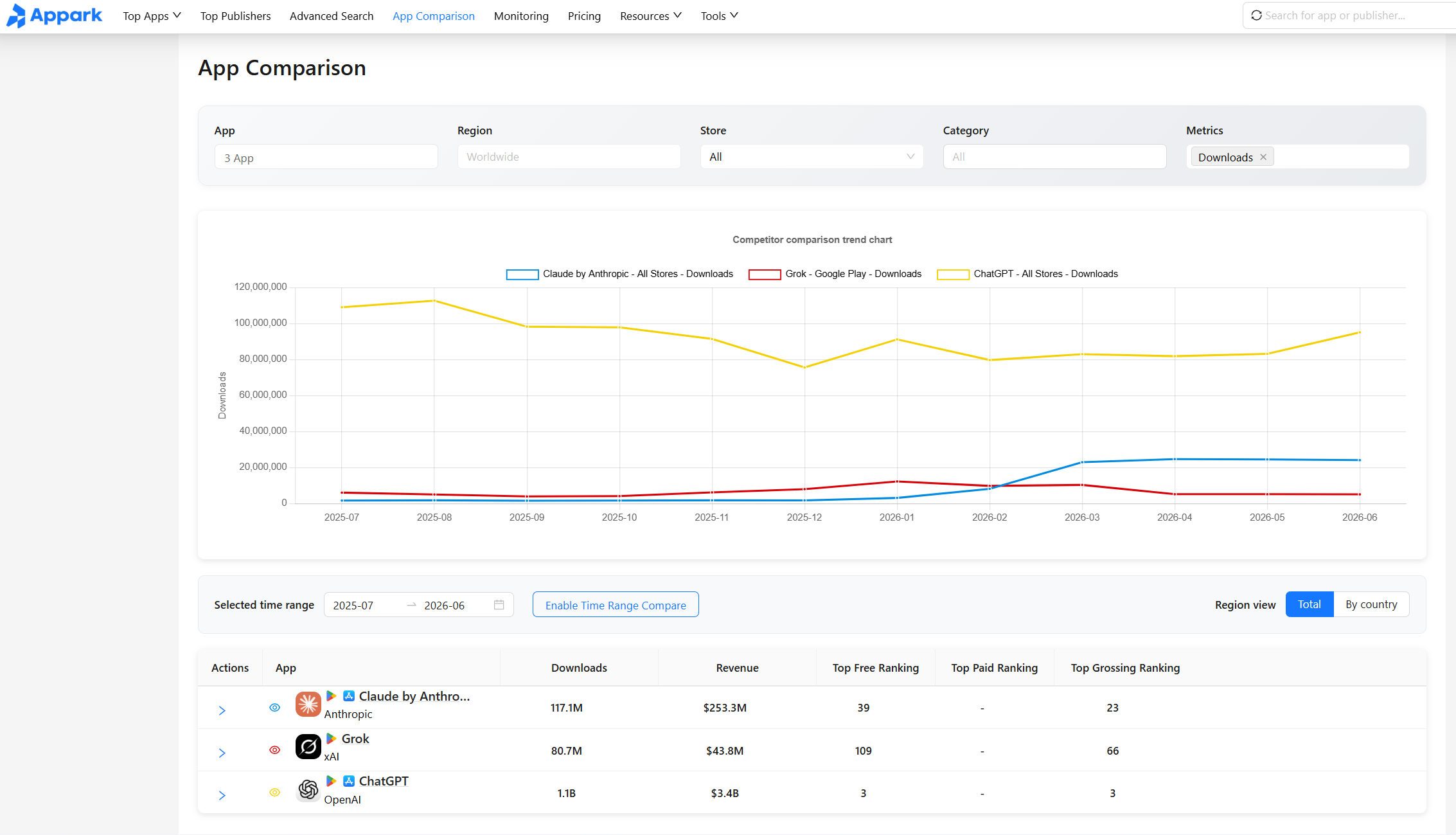
Developers can also use app revenue estimates to compare existing products, evaluate monetization potential, and better understand market opportunities.
FAQ
What are the most profitable app ideas in 2026?
Based on June 2026 mobile app market trends, AI assistants, AI creator tools, health and fitness apps, and education apps showed strong monetization performance.
However, profitability depends on more than the category itself. Product positioning, user retention, competition, and monetization strategy all influence whether an app can become a sustainable business.
How can I find profitable app ideas before building an app?
Developers can research profitable app ideas by analyzing existing products, studying revenue rankings, and identifying problems that current apps do not solve well.
Useful signals include:
- Apps with consistent revenue performance
- Categories with growing demand
- Products from smaller publishers
- Features users are willing to pay for
The goal is not to copy successful apps, but to understand why users choose and pay for them.
Do I need to create a completely new app idea to succeed?
No. Many successful apps improve existing categories rather than creating completely new markets.
A new product can succeed by targeting a specific audience, improving user experience, or solving a more focused problem.
For indie developers, a smaller and clearer product direction is often more realistic than competing directly with established platforms.
How can Appark help find profitable app opportunities?
Appark provides mobile app market insights based on App Store and Google Play data.
Developers and product teams can use features such as app rankings, revenue rankings, publisher rankings, competitor analysis, and app monitoring to research markets before building.
By understanding existing apps and market trends, teams can make better decisions when selecting app ideas.
Final Thoughts: Research Before You Build
Choosing an app idea is one of the most important decisions in the development process.
The most promising opportunities are often not completely new concepts. They usually come from understanding existing markets, identifying user problems, and creating a better solution for a specific audience.
Before writing code, developers can study successful apps, analyze revenue performance, and compare competitors to reduce uncertainty.
Market research platforms such as Appark can help developers explore mobile app rankings, revenue trends, publisher performance, and competitor information before building a product.
The goal is not to find an app idea with guaranteed success. It is to make smarter product decisions based on market signals before investing significant time and resources.