


What Defines the Best Astrology App in 2026? A Growth Strategist’s Deep Dive
As an App-data Analyst & Growth Strategist, I spend my days looking beyond the aesthetic of "celestial UI" to find the underlying mechanics of success. When users search for the best astrology app, they aren't just looking for a horoscope; they are looking for a tool that offers emotional clarity or rhythmic guidance.
By analyzing the latest market shifts via Appark.ai, it’s clear that the "best" apps are those that have successfully transitioned from impulsive entertainment to essential lifestyle platforms.
1. The Revenue Leader: CHANI and the Power of "Productized Healing"
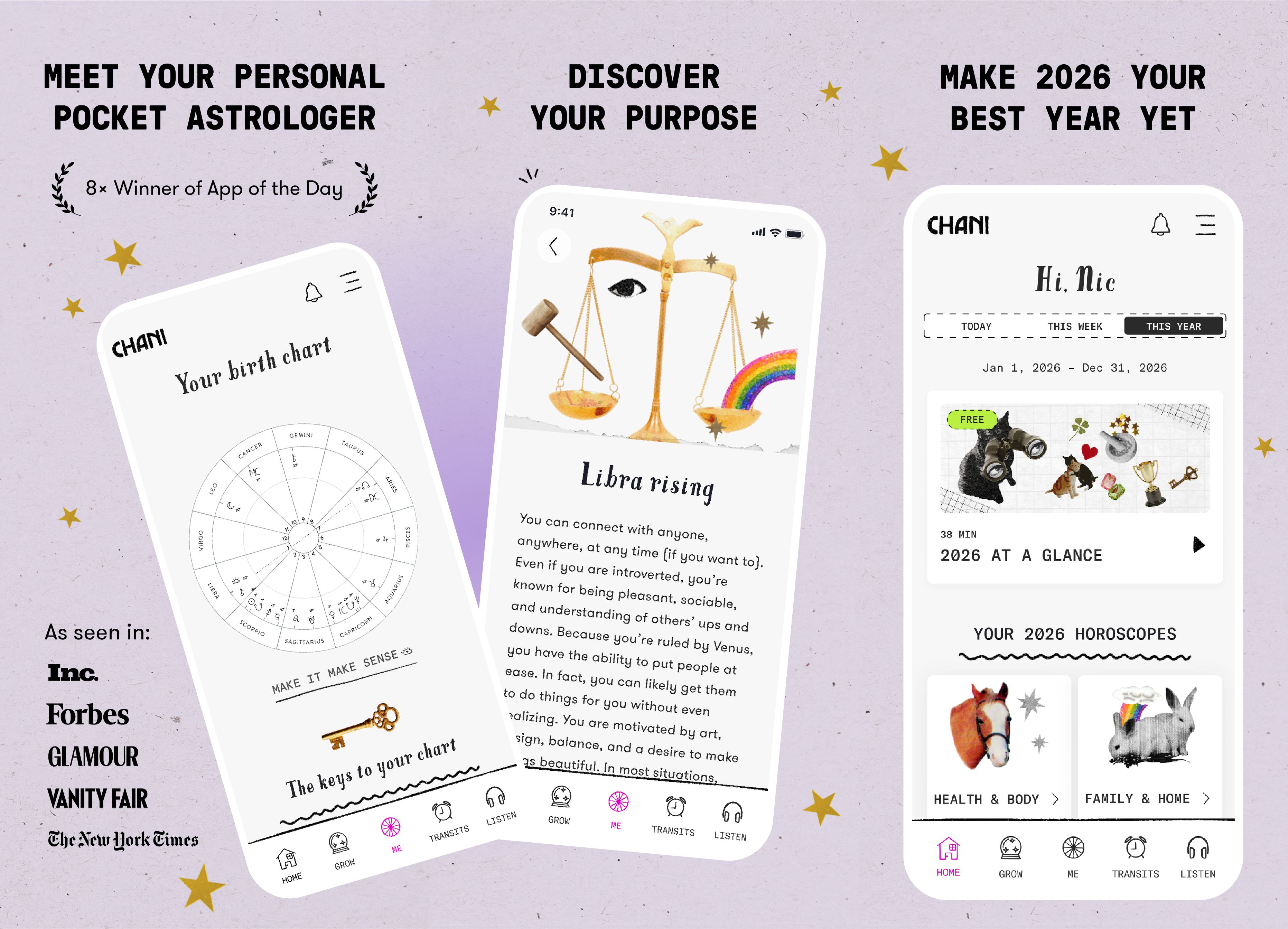
When evaluating the best astrology app from a monetization perspective, CHANI is the undisputed leader in the high-depth content category. Founded by Chani Nicholas, the app has pivoted from the traditional "manual consultation" model to a scalable, automated "emotional massage" product.
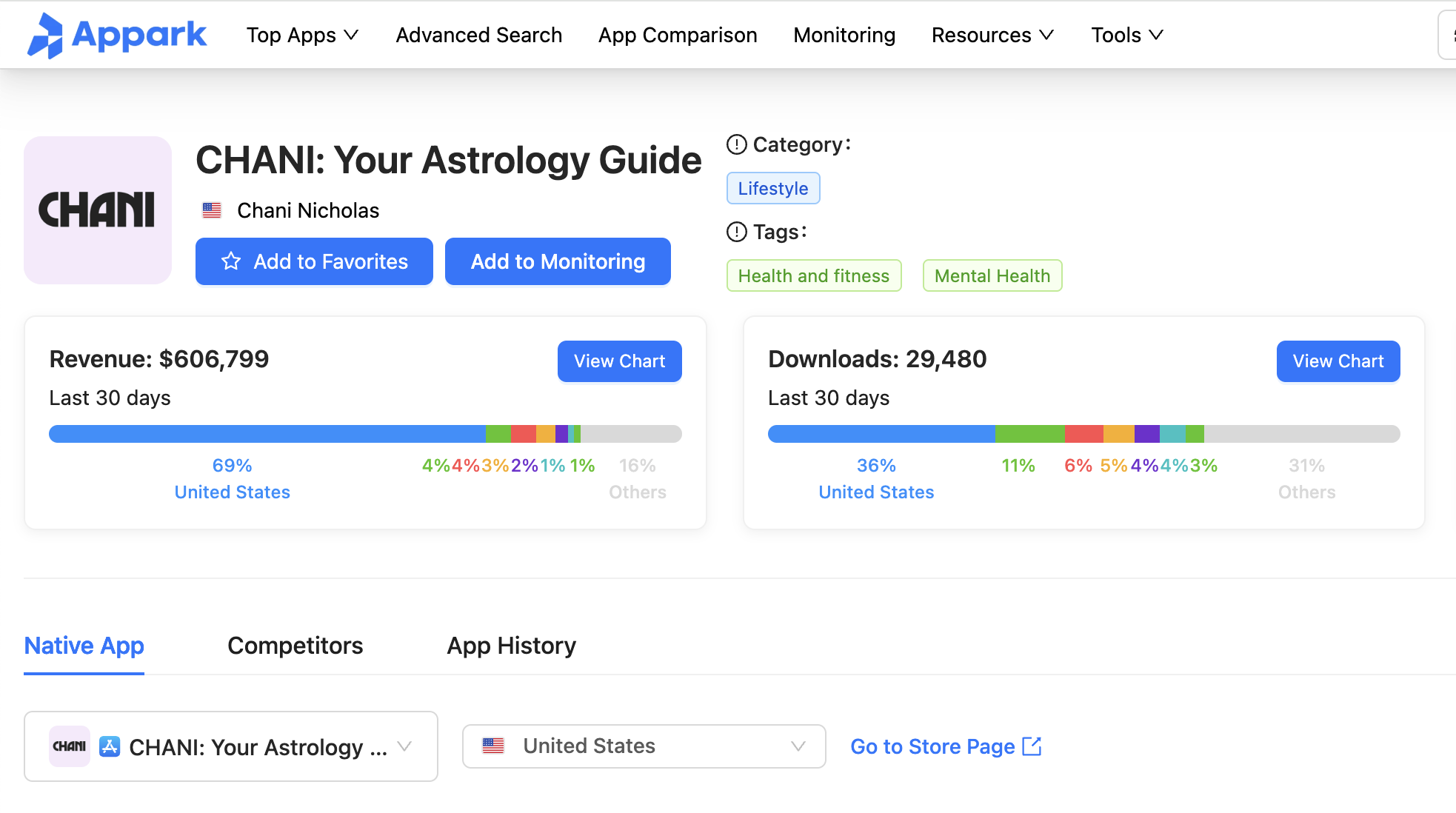
- The Data Evidence: According to our latest market intelligence, CHANI generated $832.5k in the last 30 days, representing a 15.17% year-over-year increase.
- Content Over AI: In an era of generic AI horoscopes, CHANI maintains its status as the best astrology app for serious enthusiasts by emphasizing "human-centric" professional content—no AI involved, only professional astrologers.
- The Growth Strategy: By setting a premium price of **$11.99/month**, CHANI avoids the "race to the bottom" in pricing. It justifies this cost by integrating birth chart readings with therapeutic rituals, meditations, and affirmations—shifting the user's perception from "checking luck" to "personal growth".
2. The Frequency King: Stardust and "Ritualistic Utility"
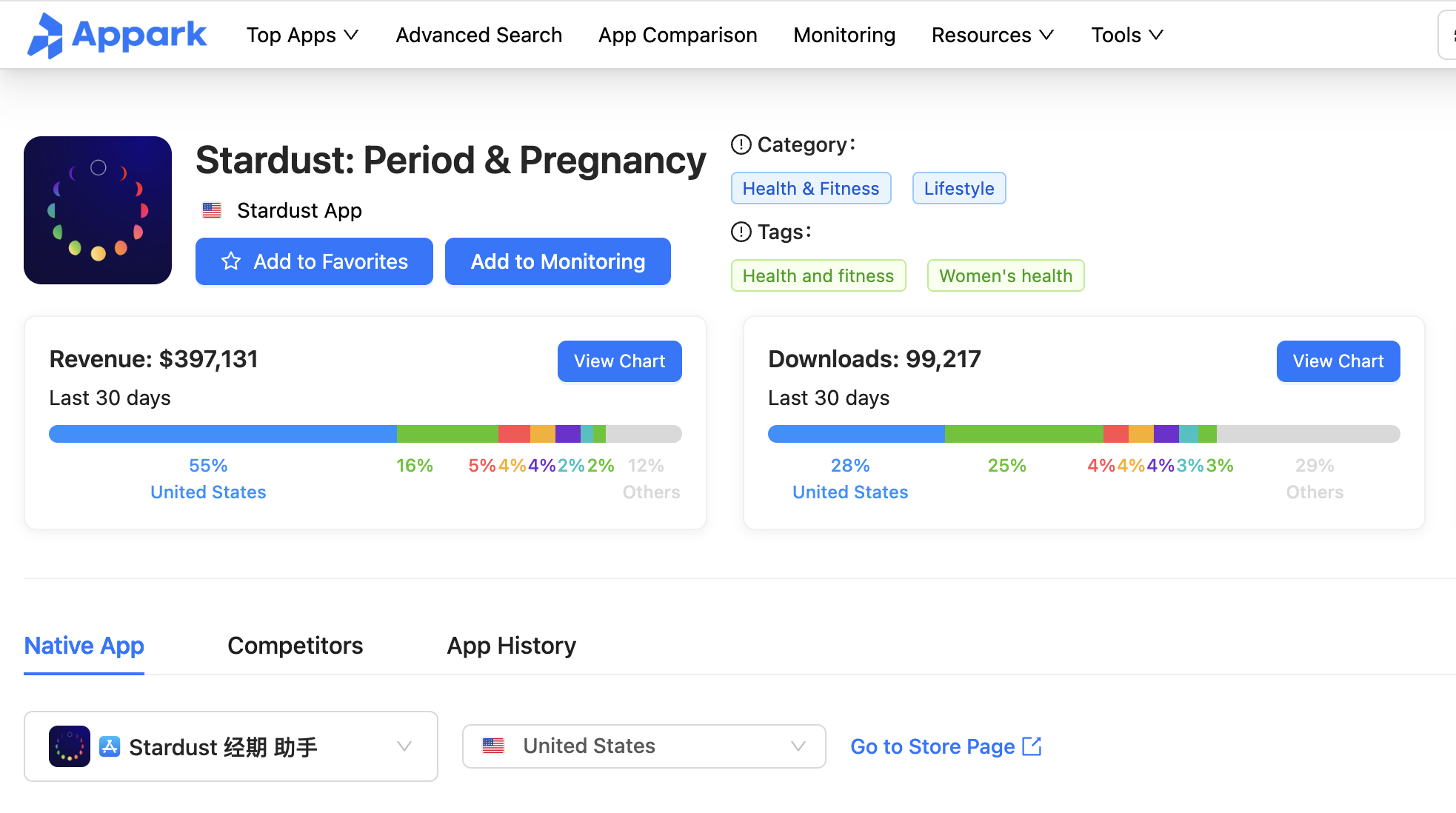
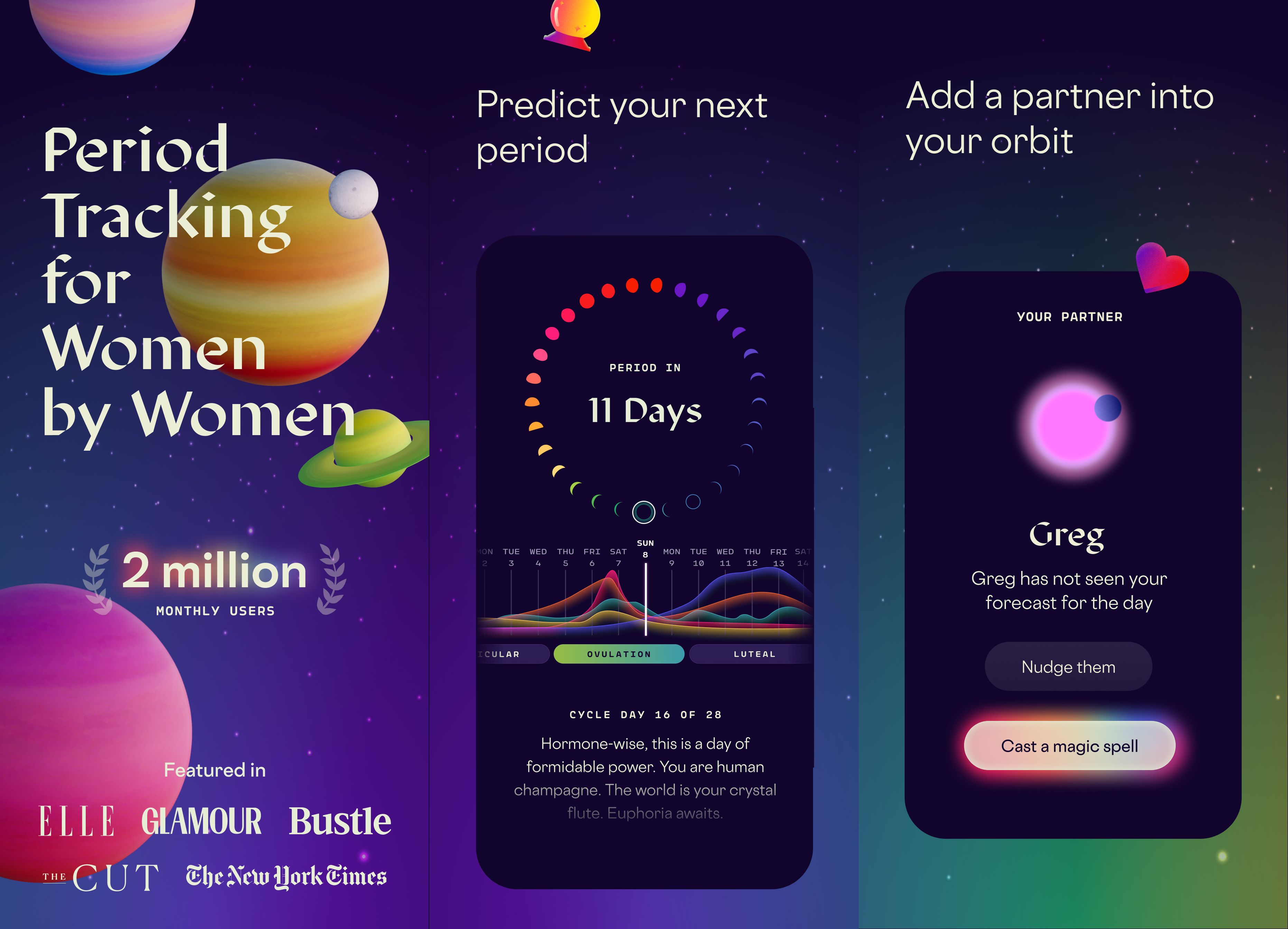
If your definition of the best astrology app centers on daily retention and unique market positioning, Stardust is the case study you need. It identified a brilliant, ancient synergy: the 28-day lunar cycle and the 28-day menstrual cycle.
- Solving the High-Frequency Need: Most astrology apps suffer from "entertainment decay"—users check their luck and leave. Stardust anchors its mystical elements into a high-frequency rigid demand: period tracking.
- Social & Emotional Viral Loops: Stardust’s "Partner Mode" is a masterclass in UA (User Acquisition). By allowing partners to receive push notifications about a user's emotional state and hormonal needs (e.g., "She might need extra rest today"), the app creates a built-in referral mechanism that deepens interpersonal relationships.
- Market Performance: This "Ritual + Utility" approach helped Stardust earn nearly $400k in a single month. It proves that the best astrology app for Gen Z and Millennials is one that provides a sense of "cosmic ceremony" to mundane biological tasks.
3. The Analyst’s Playbook: How to Scale the Charts
To build or identify the best astrology app, growth strategists must look at three specific pillars:
- Retention via Frequency: Can you link astrology to a daily physical or biological event (like Stardust)?
- Monetization via Depth: Can you transition users from one-time "impulse spends" to high-value "lifestyle subscriptions" (like CHANI)?
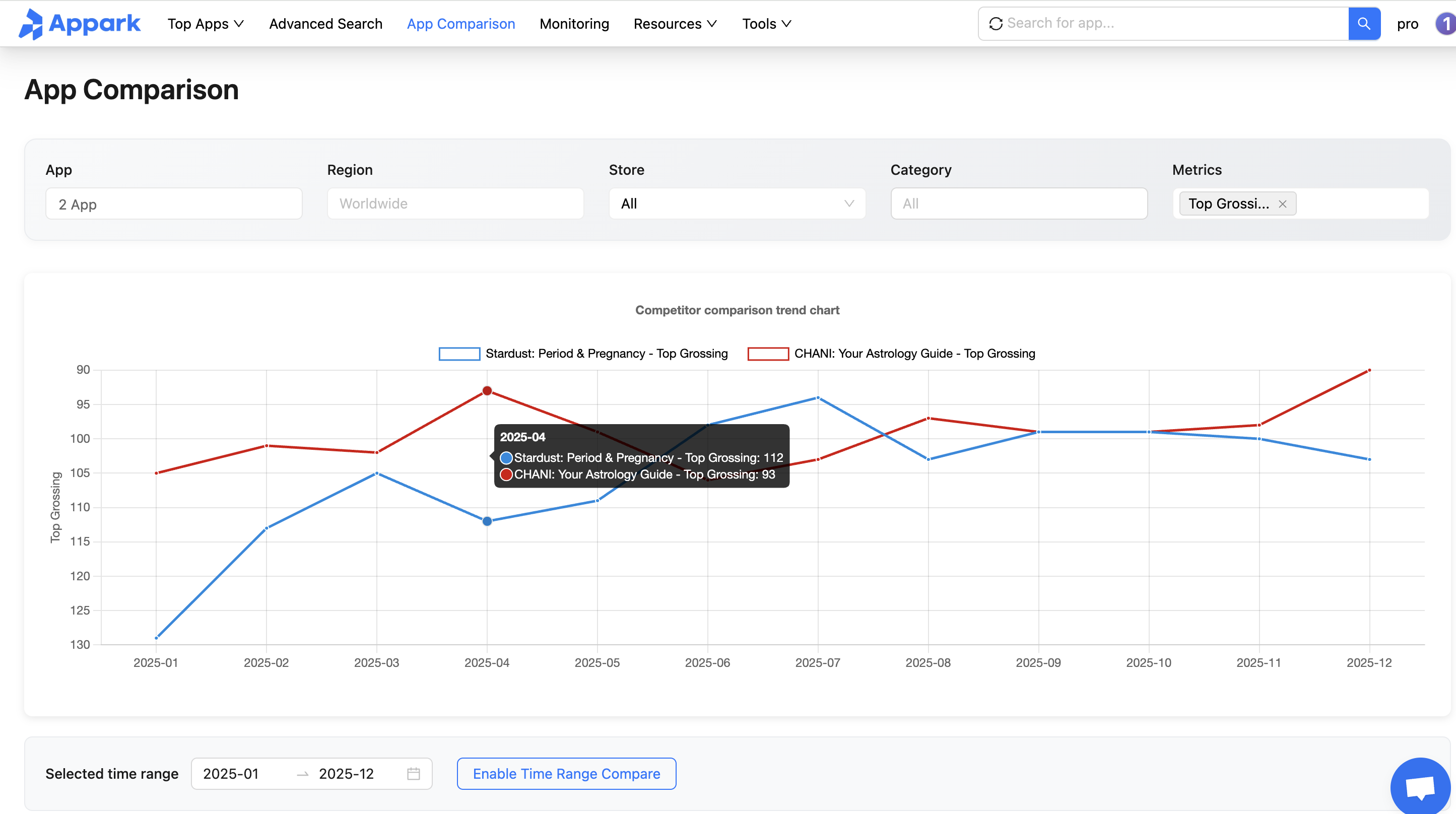
- Data Transparency: Using tools like Appark allows you to cross-reference data from competitors to see through the "noise" of the app store.
Conclusion: The "Best" is Moving Toward Self-Care
The battle to be the best astrology app is no longer fought with better graphics, but with better emotional resonance. Whether it’s CHANI’s path of professional healing or Stardust’s path of daily ritual, the winners are those that provide a sense of control in an unpredictable world.
Want to see the raw data behind these market leaders? Visit our market intelligence hub at appark to unlock the growth strategies of the world's top-ranking apps.